 Pololegens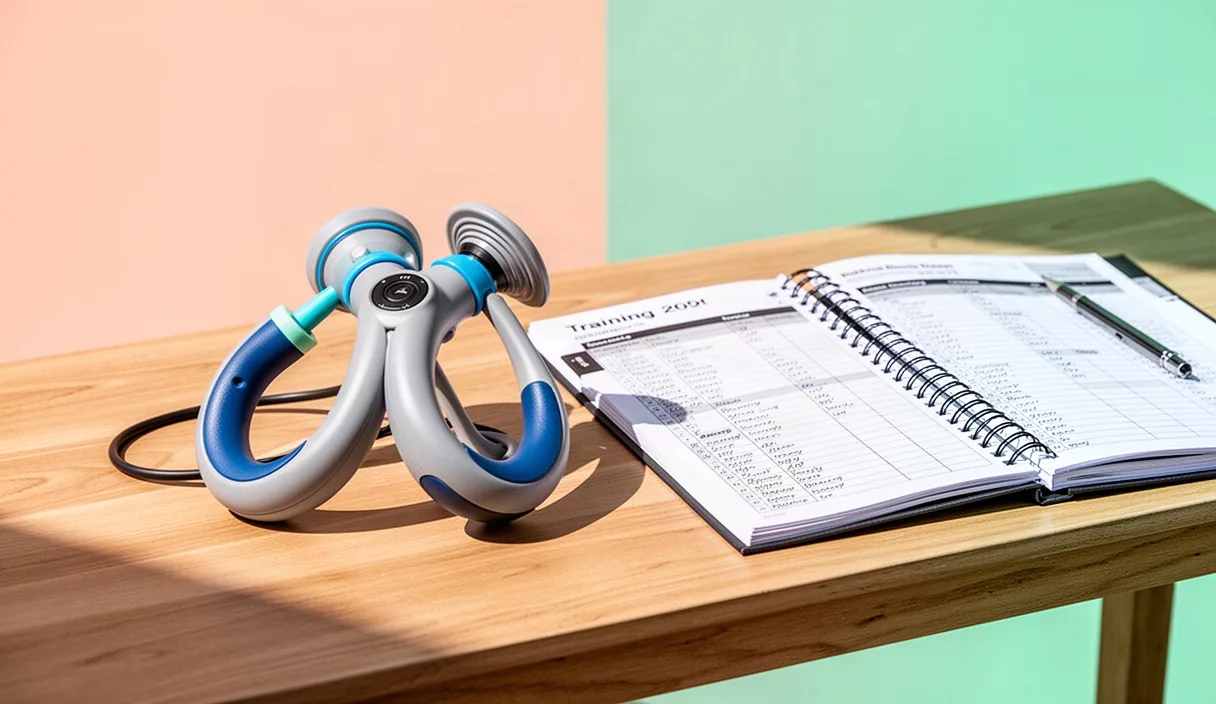
An inspiratory muscle trainer is a handheld plastic device with a mouthpiece and an internal pressure adjustment mechanism. Its purpose is to load the inspiratory muscles, mainly the diaphragm and external intercostal muscles, during the phase when air enters the lungs. The device does not provide oxygen, does not clean the air, and does not passively change lung capacity. It functions as a strength training tool, much like a dumbbell for limb skeletal muscles.
Models on the market range from 28 euros to 340 euros, depending on build technology and the presence of electronic sensors. Many endurance athletes and patients with respiratory conditions wonder whether this expense yields measurable results in their daily activity. In this article, we examine the mechanical function of these tools, laboratory-tested protocols, and objective criteria to determine whether the purchase justifies its cost for your specific case.
Operating mechanism of pressure threshold valves
Pressure threshold devices use a valve held closed by a calibrated coiled spring. When the user places the mouthpiece in the mouth and begins inhaling, the valve remains tightly closed. To open it, the user must generate negative pressure inside the chamber that exceeds the tension of the spring. This force is measured in centimeters of water (cmH2O).
Once the set pressure threshold is reached, the valve opens abruptly and air flows freely into the lungs. If the user decreases inhalation effort during the cycle, the valve closes immediately. This mechanism forces the diaphragm to produce consistent force throughout the full range of motion, regardless of the volume of air entering.
The primary muscles recruited in this process are:
- The diaphragm: The primary driver of inhalation, which descends toward the abdomen, compressing the viscera to create negative pressure in the thorax.
- The external intercostal muscles: They lift the ribs outward and upward, expanding the thoracic cavity.
- Accessory inspiratory muscles: The sternocleidomastoid and scalene muscles in the neck, which are heavily engaged when resistance exceeds 55% of maximal inspiratory pressure.
Exhalation through these devices occurs without resistance via a separate one-way exhaust valve. In this way, training isolates only the inspiratory system without straining the structures of passive exhalation.
Difference between flow resistance and threshold resistance
There are two completely different types of devices on the market that are often confused due to similar outward appearances: flow-resistive devices and threshold resistance devices. Understanding their difference determines training effectiveness.
Flow-dependent resistive loading devices operate using simple apertures of variable diameter. The user inhales through a narrow opening. Here, resistance depends directly on the speed at which you draw air. If you inhale slowly, resistance is minimal. If you inhale sharply, resistance increases exponentially. This allows the user to unintentionally cheat during training by reducing flow rate to make the exercise easier.
In contrast, threshold loading devices maintain a constant pressure requirement regardless of flow rate. The spring requires a specific cmH2O to open, whether you inhale slowly or quickly. This ensures that the load on the inspiratory muscles remains constant and measurable during every repetition.
| Feature | Flow Resistance (Resistive) | Threshold Resistance (Threshold) |
|---|---|---|
| Loading mechanism | Aperture narrowing | Calibrated spring valve |
| Dependence on inhalation speed | High (constantly variable) | None (constant opening pressure) |
| Accurate measurement in cmH2O | No | Yes |
| Risk of insufficient muscle loading | High, via slow inhalation | Very low |
| Indicative price range | 12 to 35 euros | 45 to 95 euros |
Thirty-breath twice-daily training protocol
The most widespread and documented protocol in exercise physiology is the 30-breath protocol, performed twice a day. Originally developed in British universities, it delivers maximum neuromuscular stimulus in minimal time.
Intensity is typically set at 55% to 60% of maximal inspiratory pressure (MIP). MIP is the maximum negative pressure a person can generate starting from completely empty lungs. If your MIP is 110 cmH2O, the device should be set to roughly 60 to 66 cmH2O.
Proper session execution involves specific actions:
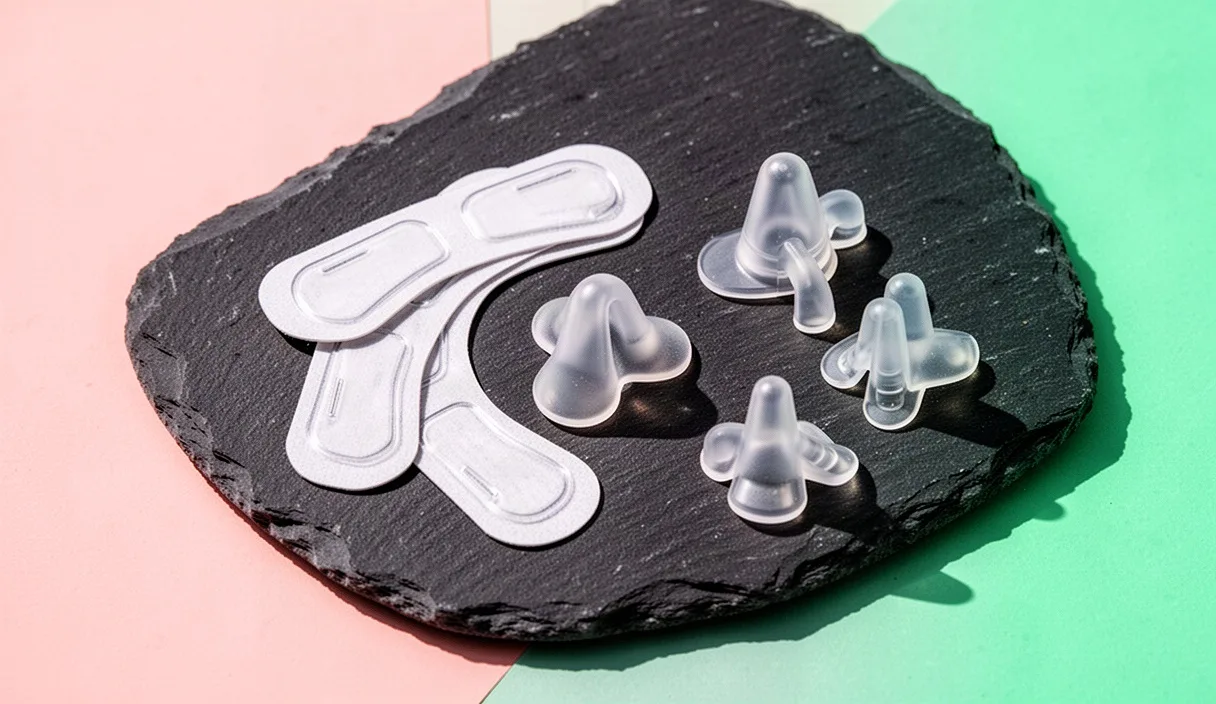
- Nose clip application: Place the dedicated clip on your nose. If you inhale even slightly through the nasal cavity, the pressure in the chamber drops and the valve will not function properly.
- Complete initial exhalation: Exhale slowly and steadily all the air from your lungs, reaching residual volume. The diaphragm must be fully lengthened before contracting.
- Dynamic inhalation: Place your lips tightly around the mouthpiece. Inhale as quickly and forcefully as you can, overcoming the spring until your lungs are completely full.
- Passive exhalation: Remove the device or exhale loosely through the exhalation valve without strain. The exhalation should last about 2 to 3 seconds to lower heart rate.
- Completing the cycle: Repeat the movement for 30 consecutive breaths. The entire process takes less than 5 minutes.
Perform the routine once in the morning and once in the afternoon or evening, 6 days a week. After 3 weeks of consistent use, the 30 inhalations will feel easier. Then increase the resistance by 2 to 5 cmH2O, so that the 25th to 30th repetition causes intense muscular fatigue in the diaphragm.
Impact on respiratory muscle endurance
During intense exercise involving the legs or arms, the respiratory muscles consume a significant percentage of total cardiac output and oxygen. When the diaphragm fatigues, the body triggers a protective survival mechanism called the respiratory metaboreflex.
Through this reflex, the sympathetic nervous system induces vasoconstriction in the limbs. Blood is redirected from the quadriceps and calves back to the diaphragm to ensure breathing does not stop. The result for the runner, cyclist, or rower is a burning sensation in the legs, premature fatigue, and a forced reduction in pace.
Regular inspiratory resistance training causes specific adaptations:
- Muscle fiber hypertrophy: Ultrasound studies record an 8% to 12% increase in diaphragm thickness after 6 to 8 weeks of consistent use.
- Delay of the metaboreflex: The diaphragm fatigues much later during competition. As a result, blood flow to the legs remains stable for longer periods at high intensities.
- Reduction in perceived exertion: The Borg rating of perceived exertion for breathing drops at specific submaximal running speeds or cycling wattages.
This improvement does not directly increase maximum oxygen uptake (VO2 max). VO2 max is determined by the heart, blood, and mitochondrial adaptations in the muscles. What changes is the ability to sustain a specific pace close to the anaerobic threshold without respiratory limitation.
Device selection criteria for athletes
Choosing the right device depends on training level, frequency of use, and cleaning requirements. An inexpensive model can prove useless if its resistance limit is maxed out within a few weeks.
Resistance range
Devices are categorized by the cmH2O they provide. Entry-level wellness models range from 10 to 90 cmH2O. These target individuals in rehabilitation or with chronic respiratory conditions. A healthy male endurance athlete often has a baseline MIP close to 110 to 140 cmH2O. In this case, a model with a range from 30 to at least 180 or 200 cmH2O is required to allow room for progressive overload over months.
Build quality and cleaning
The interior of the device collects saliva droplets during every session. If the device cannot be fully disassembled, mold and bacteria develop inside the coils of the spring. Choose devices made from medical-grade plastic with silicone mouthpieces that can be washed with warm water and mild detergent or dedicated disinfection tablets. Avoid devices with glued plastic parts that cannot be opened.
Mechanical vs. electronic measurement
Spring-loaded mechanical devices typically cost between 45 and 85 euros. They withstand drops, require no batteries, and are easy to carry in a gym bag. Their downside is that the reading on the outer casing has a variance of plus or minus 8% to 10% in pressure accuracy.
Electronic devices cost between 230 and 420 euros. They utilize an electronically controlled rotary valve and connect via a mobile app. They measure actual inspiratory flow, volume, and power in Joules in real time. They are worth the extra expense only for professional athletes or performance labs requiring precise data logging.
Common usage mistakes
Many users abandon the devices thinking they do not work, simply because they make fundamental mistakes during the process:
- Inhaling without a nose clip: Losing even a small amount of air through the nose reduces the negative pressure generated in the diaphragm, making the exercise ineffective.
- Shallow chest breathing: Many users shrug their shoulders excessively and tense their trapezius, bypassing the diaphragm. The movement should start from the abdominal area and expand into the ribs.
- Excessive initial resistance: Setting the device to excessively high cmH2O leads to an inability to complete the 30 repetitions or strains the neck muscles.
- Irregular frequency: Practicing 2 or 3 times a week is not enough for diaphragmatic muscle hypertrophy. Taking a break for longer than 25 days returns muscle strength back to baseline levels.
Next practical steps
If you are considering adding inspiratory muscle training to your routine, start methodically without unnecessary expenses:
First, consult an exercise physiologist or pulmonologist to measure your baseline MIP with a digital pressure gauge. This number will determine exactly which category of device you need and at which setting you should start. If this is not feasible, choose a medium-to-high range mechanical threshold device (30 to 180 cmH2O) and initially set it to the lowest point, gradually increasing until 30 inhalations require intense effort.
Incorporate the session into your daily schedule, away from heavy meals, preferably right after waking up in the morning and before dinner. Clean the device at least twice a week to maintain the elasticity of the silicone valves.
Safety note: Individuals with a history of spontaneous pneumothorax, ruptured eardrum, recent eye surgery, or uncontrolled cardiovascular health must consult their attending physician before using any inspiratory resistance device.